
- Home
- Products
- About Us
- Custom Services
- Solutions
- Resources
- News
- Contact
Views: 0 Author: Site Editor Publish Time: 2026-08-03 Origin: Site


Commercial and residential outdoor light displays represent a significant investment. Harsh weather can quickly degrade inferior products. Buyers often underestimate how rapidly nature destroys poor materials. Ultraviolet (UV) radiation causes plastic yellowing and severe brittleness. Moisture intrusion leads to rapid electrical failure. Freezing temperatures cause material contraction and catastrophic cracking. Evaluating specific polymers, metal framing, and ingress protection (IP) ratings remains critical. You must ensure your 3D Motif Light survives multiple holiday or event seasons. Proper material choices prevent premature replacement. This guide explores how to identify highly durable polymers. We also examine essential metal frame specifications. You will learn to verify vital electrical resilience.
ASA and PETG are the baseline acceptable polymers for outdoor 3D printed lighting components; standard PLA should be strictly avoided.
Internal framing must utilize rust-resistant aluminum or heavily powder-coated steel to prevent structural failure and rust bleeding.
IP65 ratings for both the LEDs and the cabling are non-negotiable for true weather resistance in uncovered outdoor environments.
A verifiable UV-resistant coating or inherently UV-stable material prevents white and translucent light diffusers from yellowing over time.
What makes a display survive brutal winter storms? You must deconstruct a standard display into three distinct vulnerability zones. Each zone plays a crucial role. Each zone requires specific engineering standards.
The Structural Frame: This acts as the internal skeleton. It bears the physical weight. It resists wind shear.
The Light-Diffusing Shell: This provides visual appeal. It serves as the primary physical shield against rain, snow, and solar radiation.
The Electrical Components: These include LED nodes, wiring harnesses, and power supplies. They generate the illumination.
A commercial-grade display must meet strict success criteria. It needs to resist continuous UV exposure for over six weeks at a time. It must withstand heavy rain and dense snow loads. High winds constantly test the structural integrity. Alpine environments introduce extreme freeze-thaw cycles. Coastal installations face corrosive salt spray. Your installation must survive these localized threats.
Implementation reality is harsh. A chain is only as strong as its weakest link. A failure in just one zone renders the entire unit defective. Imagine placing premium LEDs inside a cheap, water-permeable plastic shell. Moisture enters the shell easily. The electrical parts short out instantly. You lose the whole display. Fully exposed outdoor 3D motif lights demand perfection across all three zones. We must evaluate every material carefully.
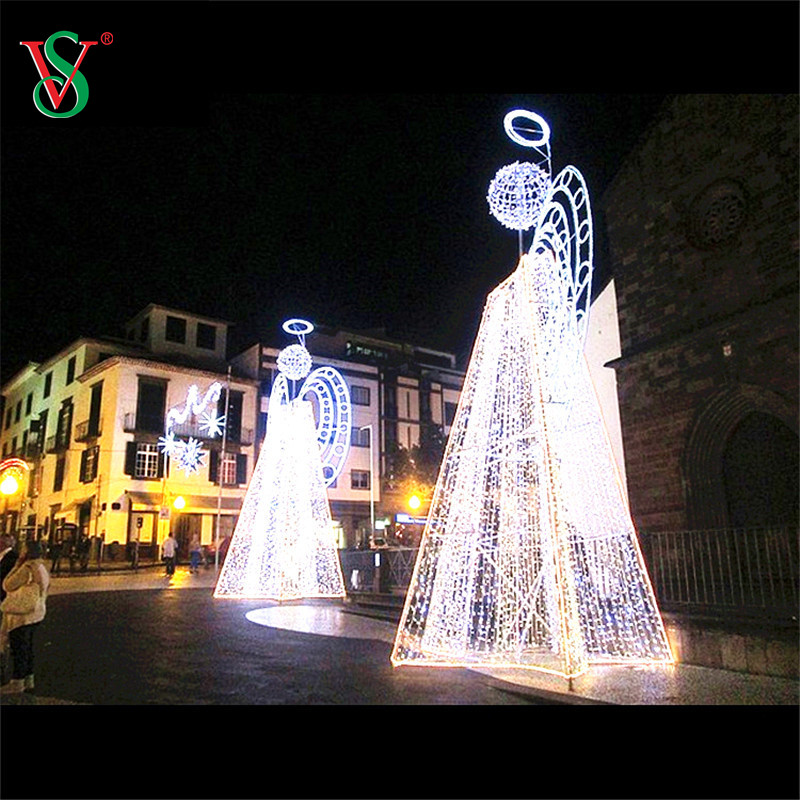
Polymers dictate the lifespan of the outer shell. Sun exposure destroys weak plastics rapidly. Photodegradation breaks down the polymer chains. We must evaluate the primary manufacturing materials used today.
ASA (Acrylonitrile Styrene Acrylate) stands as the industry standard. It provides high-end outdoor durability. ASA is inherently UV-resistant. Direct sunlight will not make it brittle. It prevents ugly yellowing over time. Automotive manufacturers use ASA for exterior car parts. We highly recommend ASA for premium outdoor lighting installations.
PETG offers a cost-effective alternative. It boasts excellent water resistance. Impact strength is another major benefit. It resists physical strikes from flying debris. However, PETG has a specific flaw. It requires secondary UV-resistant coatings. Without protective marine-grade coatings, long-term UV degradation occurs. The plastic will eventually cloud over.
Beware the dangerous PLA trap. Standard PLA poses massive risks. Cheap consumer 3D printing often uses PLA. It possesses a very low glass transition temperature. PLA will warp, sag, or melt easily. Summer storage heat destroys it in attics. Direct sunlight softens it during daytime displays. Strictly avoid PLA for any outdoor usage.
Use a strict decision lens during procurement. Demand technical spec sheets from your vendors. You need exact filament details. Verify the polymer blend used for the casing. Never accept generic terms like "hard plastic."
Polymer Comparison Chart
Polymer Type | UV Resistance | Impact Strength | Temperature Tolerance | Best Application |
|---|---|---|---|---|
ASA | Excellent (Inherent) | High | Excellent (Handles extreme heat/cold) | Premium, multi-season commercial displays |
PETG | Moderate (Needs coating) | Very High | Good | Budget-friendly, high-impact environments |
PLA | Poor | Low | Very Poor (Melts at low temps) | Indoor prototypes only (Avoid outdoors) |
Massive structures face different physical threats. Wind shear and gravity demand robust internal framing. Let us compare the two dominant framing materials.
Aluminum is exceptionally lightweight. It resists rust naturally through oxidation. We find aluminum ideal for hanging displays. It drastically reduces strain on mounting points. Street pole decorations rely heavily on aluminum frames. It avoids dangerous overhead weight limits.
Powder-coated steel provides a heavier alternative. It is highly cost-effective for ground installations. The added weight provides natural stability. However, steel remains highly vulnerable. Scratches in the powder coating invite rapid oxidation. Rust bleeds through and stains the surrounding display. Saltwater environments accelerate this rusting process.
Application-specific needs dictate material choices. Consider a massive 3D Christmas tree light. This structure catches significant wind. It acts like a giant sail. It requires heavy-duty steel base plates. These plates prevent wind-shear tipping. Ground stakes must integrate directly into the steel frame.
Alternatively, look at a freestanding 3D animal light sculpture. This design features complex, sweeping geometries. It requires highly precise, welded aluminum framing. Aluminum supports the intricate shapes easily. It avoids adding excessive weight to delicate mounting feet.
Evaluation dimension: Always check the welding joints carefully. Cold welds create immediate weak points. Exposed metal at poorly finished joints rusts quickly. Winter environments exploit these manufacturing flaws aggressively. These joints become the first points of failure. Demand seamless, fully coated welds from your manufacturer.
Electrical resilience requires serious scrutiny. You must understand Ingress Protection (IP) ratings thoroughly. The IP system defines exactly how well enclosures block dust and moisture.
IP44 denotes basic splash-proof hardware. It stops water spraying from random directions lightly. It suits covered porches only. Heavy rain from extreme wind angles easily defeats IP44 seals. Do not use IP44 for fully exposed commercial displays.
IP65 provides vital, robust protection. The "6" indicates total dust tightness. The "5" indicates protection against low-pressure water jets. This rating is mandatory for exposed installations. It survives torrential downpours. It handles melting snow safely. Do not compromise on this baseline standard.
Cabling materials also matter deeply. Cheap manufacturers use basic PVC wiring. PVC stiffens terribly in sub-zero temperatures. It cracks easily during cold weather handling. Cracks let moisture reach the inner copper core. This causes rapid electrical shorts.
Rubber-insulated wiring offers vastly superior performance. Rubber maintains high flexibility during freezing conditions. It preserves water-tightness effectively. Technicians can bend and position rubber cables safely in deep winter.
Examine the epoxy sealing process. Premium LED nodes use complete encapsulation. Manufacturers fill the node housing entirely using epoxy resin. This prevents moisture bridging across sensitive electrical contacts. Even if the outer 3D-printed shell shatters, the internal LEDs survive. Epoxy sealing guarantees reliable illumination during severe storms.
Buying commercial displays requires absolute confidence. You must know how to shortlist vendors effectively. Recognizing industry tricks saves significant headaches.
Watch for distinct red flags. Avoid vague marketing terms entirely. Some manufacturers claim they use "high-quality plastic". Others simply print "weatherproof" on the box. These words mean absolutely nothing. Reputable factories provide specific material acronyms. They list ASA, PC, or PETG proudly on their specification sheets. They publish certified, third-party tested IP ratings.
Assess their warranty and lifecycle assumptions. Trustworthy vendors stand firmly behind their products. They offer at least a 1-to-2-year warranty on outdoor commercial displays. They also provide clear, written storage instructions. Proper off-season storage prevents unnecessary degradation.
Take definitive next-step actions before buying. Request a physical material sample first. Ask for a small test unit. Do this before placing any bulk commercial orders. Verify the physical weight upon arrival. Heavy weight usually indicates substantial frame quality. Check the cable flexibility yourself. Bend the wires. Ensure they feel like pliable rubber, not rigid plastic.
Audit Material Specs: Demand exact polymer names.
Verify IP Ratings: Look for IP65 minimum.
Check Frame Welds: Inspect samples for rust-proofing.
Test Cable Flexibility: Ensure rubber insulation for winter use.
Let us review the final verdict carefully. Weather resistance never relies on a single isolated feature. It requires a highly specific combination of engineering elements. You need UV-stable polymers to prevent yellowing. You need rust-proof framing to maintain structural integrity. You need IP65-rated electronics to survive moisture intrusion.
Audit your current supplier today. Check their material specifications closely against these standards. Contact your technical sales team immediately. Ask them for a compliance-checked quote. Secure truly durable motif lighting for your next outdoor event season.
A: It will yellow if made from un-coated ABS, PLA, or cheap polymers. Ensure the manufacturer uses ASA filament or applies a marine-grade UV-resistant clear coat to keep white and translucent parts pristine.
A: While high-quality materials (like ASA and aluminum) can survive year-round exposure, continuous UV and weather battering will eventually shorten the lifespan of the LEDs and rubber seals. Off-season storage in a cool, dry place is highly recommended.
A: For high wind, prioritize open-mesh 3D designs allowing air to pass through easily. Combine this structural design using heavy-gauge steel framing at the base. Add robust securing stakes. Do not focus solely on the plastic shell.


